November 20-22, 2026

About the Conference
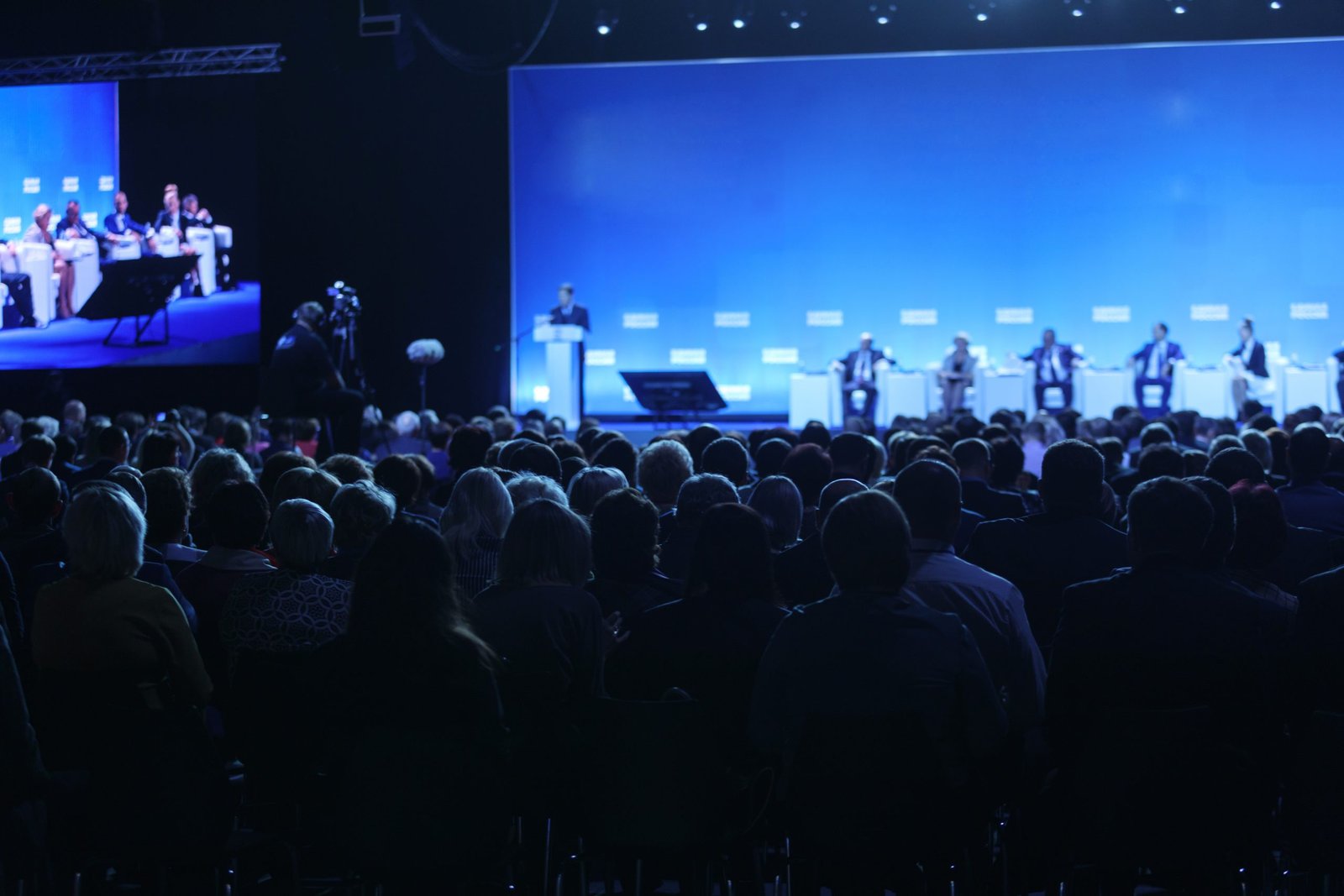
The International Conference on Artificial Intelligence Review (Applications to Science, Technology and Management) 2026 will bring together researchers, academics, industry professionals, and experts from diverse fields to explore recent developments and applications of artificial intelligence. The conference aims to foster research and innovation in AI while encouraging the exchange of knowledge, ideas, and emerging technologies across science, technology, and management. It seeks to promote collaborative research, interdisciplinary discussions, and new approaches to solving complex real-world challenges through artificial intelligence. Additionally, the conference provides a platform for researchers and practitioners to present original research, innovative applications, and novel AI methodologies. It welcomes contributions covering theoretical advancements as well as practical applications, with a focus on emerging trends, responsible AI, intelligent systems, and the future impact of artificial intelligence across various domains.
About the Jaipur City
Jaipur, the capital city of Rajasthan, is a vibrant destination known for its rich history, architectural heritage, and cultural traditions. Founded in 1727 by Maharaja Sawai Jai Singh II, the city is popularly known as the “Pink City” because of the distinctive pink color of many buildings in its historic areas. Jaipur combines historic palaces, forts, temples, bustling markets, and modern urban development, offering visitors a unique blend of tradition and contemporary life.
The city is home to renowned attractions such as Amber Fort, City Palace, Hawa Mahal, Jantar Mantar, and Jal Mahal. Its traditional handicrafts, textiles, jewelry, cuisine, and colorful bazaars reflect the artistic heritage of Rajasthan. Jaipur is also an important educational, business, and tourism center, making it a suitable destination for academic conferences and international events. Visitors can enjoy its historic landmarks, local culture, traditional Rajasthani cuisine, and warm hospitality while experiencing the distinctive character of Rajasthan.
In Association With

Scientific Research University
Kyrgyz Economic University named after M. Ryskulbekov
Kyrgyz Republic
Scientific Research University “Kyrgyz Economic University named after M. Ryskulbekov” (Kyrgyz Republic) is a partner institution associated with the conference, fostering academic collaboration, research exchange, and international engagement in the field of mathematical and related sciences.
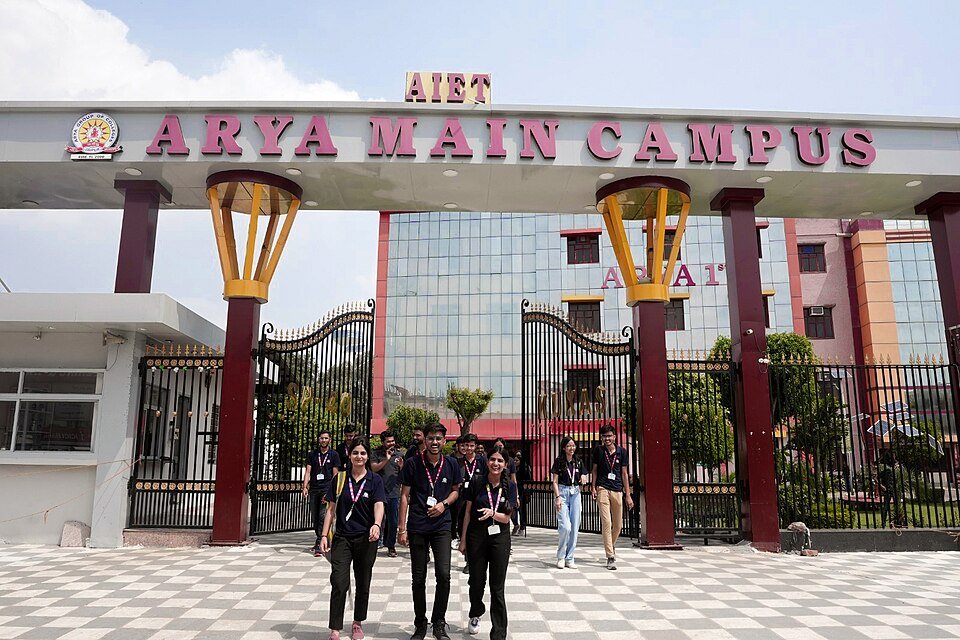
Arya College of Engineering & I.T.
jaipur, Rajasthan
India
Arya College of Engineering & IT, Jaipur (Rajasthan, India) is an associated institution supporting the conference by promoting academic collaboration, knowledge exchange, research engagement, and professional interaction in the fields of artificial intelligence, science, technology, and management.
Shanti Educational Research Foundation is associated with the conference as a research partner, supporting scholarly collaboration and the dissemination of research in mathematical and related sciences.
Conference Aim
The aim of the “International Conference on Artificial Intelligence Review Applications to Science, technology and Management (IC-AIR 2026)” is to unite experts from diverse mathematical disciplines worldwide to discuss and advance both pure and applied mathematics. The conference seeks to foster research, encourage innovative ideas, and establish collaborative research groups that facilitate knowledge exchange and in-depth discussions on recent findings. It also aims to provide a platform for mathematicians and researchers to present original work, novel approaches, and contributions that blend theoretical advancements with practical applications, promoting interdisciplinary collaboration and the exploration of emerging trends in mathematics.
Objective
- To promote the exchange of knowledge and recent advancements in pure and applied mathematics across diverse mathematical disciplines.
- To provide a collaborative platform for mathematicians, academicians, and researchers to discuss innovative ideas and emerging trends in mathematical sciences.
- To encourage the formation of collaborative research groups and facilitate in-depth discussions on recent findings and open problems.
- To offer a forum for presenting original research, novel mathematical approaches, and contributions that connect theory with practical applications.
- To foster interdisciplinary collaboration and inspire young researchers to advance the frontiers of mathematical discovery and innovation.
Themes
Tracks
AI Foundations & Core Methodologies
AI Applications in Science & Environmental Systems
AI in Engineering, Industry & Smart Infrastructure
AI in Business, Management & Decision Science
AI in Healthcare & Life Sciences
Robotics, Autonomous Systems & Automation
Data Science, Big Data & Analytics
Responsible AI, Ethics, Policy & Governance
Important Dates
Conference Date
Abstract Notification
Acceptance Notification
Registration Deadline
Submission of Full Paper Starts
Keynote Speakers
Keynote Speakers



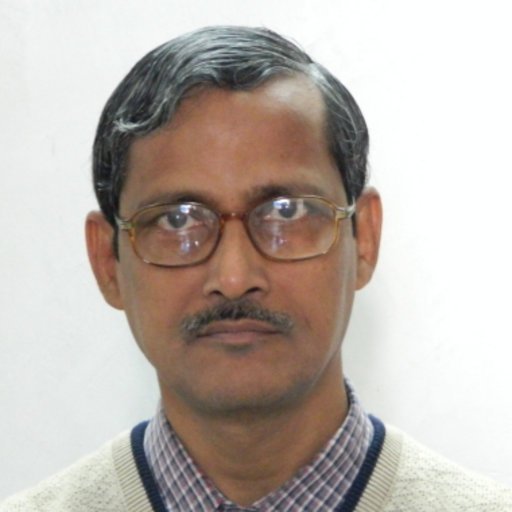

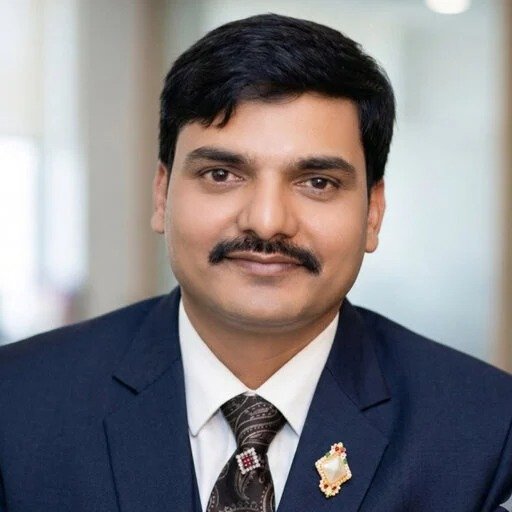
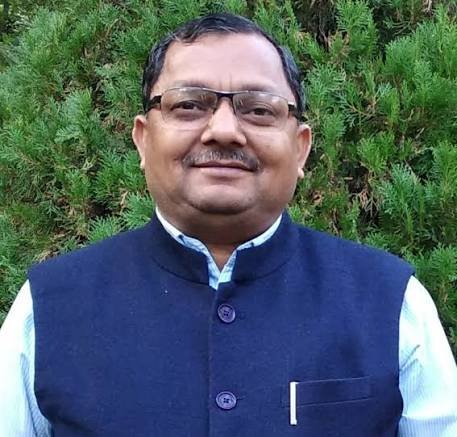


Speakers